Baked Chicken Tenders (Chicken Fingers), Extra Crispy Every Time
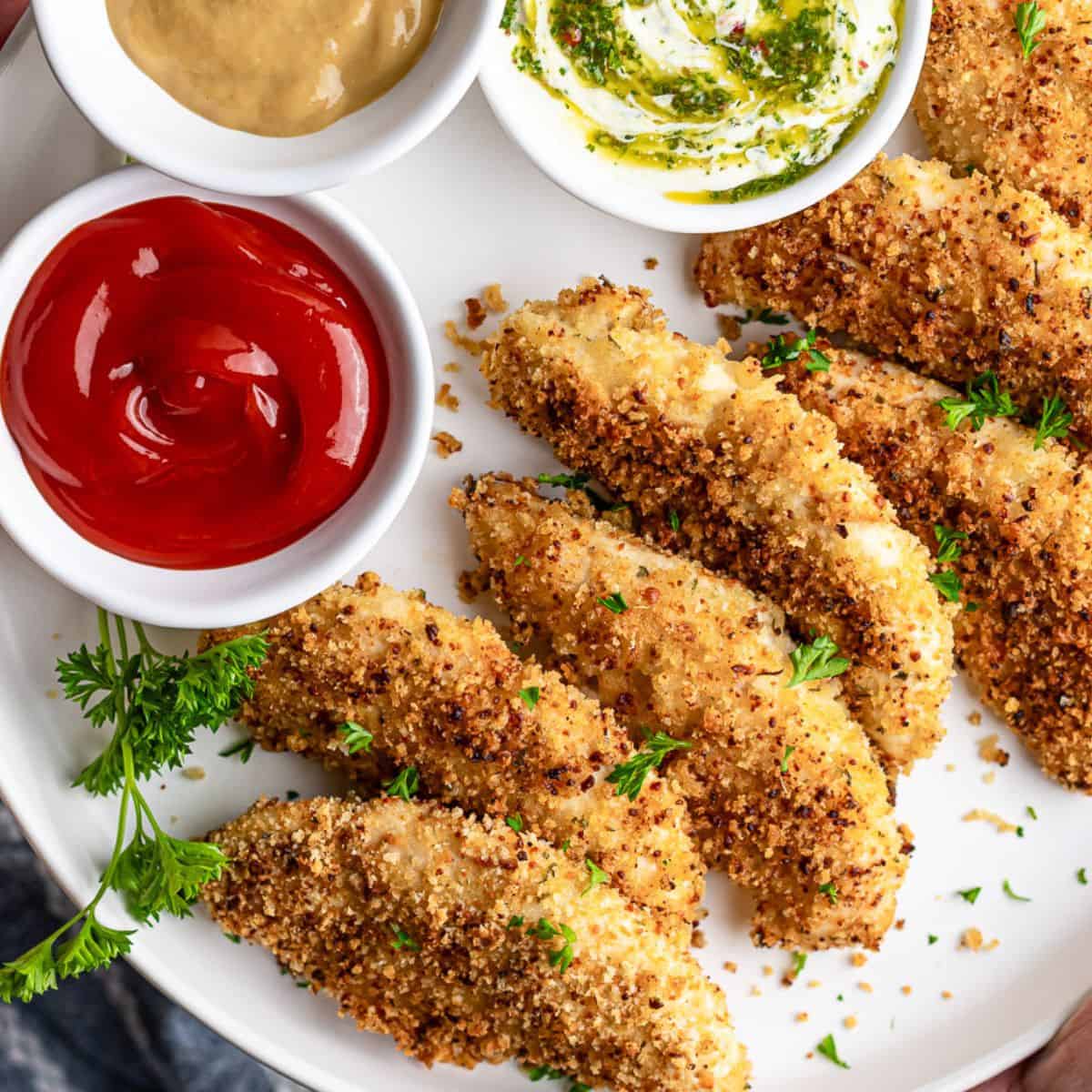
These Baked Chicken Tenders uses a wire rack and an olive oil dredge instead of egg for a crispy chicken tenderloin recipe with no frying. Works with tenders, chicken fingers cuts, or sliced breast, and includes a gluten-free swap.
Method
-
1
Preheat oven to 400 degrees. Spray a baking sheet with nonstick cooking spray or you can use a wire rack on top of the baking sheet which helps ensure the tenders are crispy.
-
2
In a shallow bowl mix the panko breadcrumbs, Parmesan cheese, garlic powder, thyme, parsley, paprika, salt and pepper and stir until combined. Set aside.
-
3
Pour the 1/4 cup olive oil into another shallow bowl and set aside.
-
4
Optional: Pat the chicken dry with paper towels before dredging, and let the coated tenders chill in the fridge for 10–15 minutes before baking. This helps everything stick better and stay crisp.
-
5
Dredge the chicken in the olive oil and then into the panko breadcrumb mixture making sure both sides are coated. Place the tenders on the baking sheet or wire rack.
-
6
Place the chicken tenders in the oven and bake for 25 minutes, flipping the tenders halfway through cooking {chicken should reach an internal temperature of 165 degrees F}.
-
7
Sprinkle with fresh parsley if you want and serve warm with honey mustard, ketchup or ranch dipping sauce.
Notes
Wire rack: Place a wire rack on top of your baking sheet so heat circulates under and around each tender. This keeps the bottoms crispy instead of steaming against the pan. Olive oil dredge vs. egg: Olive oil gives you a lighter, crispier coating. If you prefer a thicker, richer crust, swap in one beaten egg instead. Olive oil spray: Lightly spritz the coated tenders with olive oil or avocado oil spray right before baking. This helps the panko brown evenly across the whole surface. Let the breading set: If you have 10 to 15 minutes, chill the coated tenders in the fridge before baking. The coating adheres better and holds up during baking. Pat the chicken dry: Before dredging, pat each tender dry with a paper towel. Moisture is the main reason breading slides off during baking. Seasoning swaps: The base blend works any night of the week. Try za'atar for a Mediterranean twist, Italian seasoning for an herb-forward version, or a pinch of cayenne if your family likes a little heat. Doneness: Chicken tenders are cooked through when they reach an internal temperature of 165°F. A quick-read thermometer takes the guesswork out completely.
Per serving
- Carbs16 g
- Protein41 g
- Fat21 g
- Fiber1 g
Also filed under
Cook next
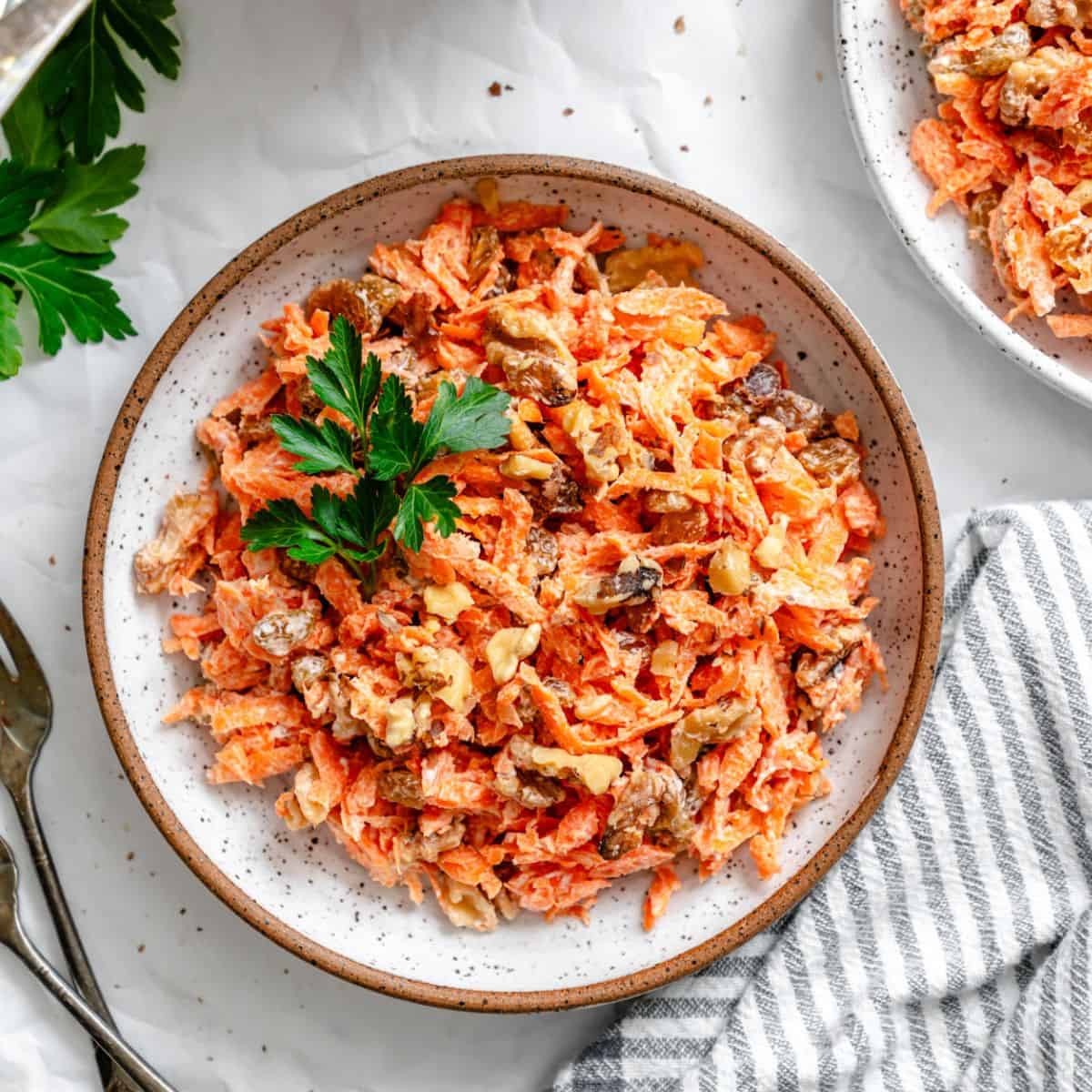 VegetarianCarrot Raisin SaladThis Carrot Raisin Salad uses four simple ingredients to make a refreshing, light salad. Carrot…
 Slow CookerSlow Cooker Zuppa ToscanaThis hearty Slow Cooker Zuppa Toscana will warm you up in the colder months and leave you feeli…
 VegetarianCucumber SalsaCucumber Salsa is a simple summer salsa using fresh watermelon, cucumber, red onion, cilantro a…
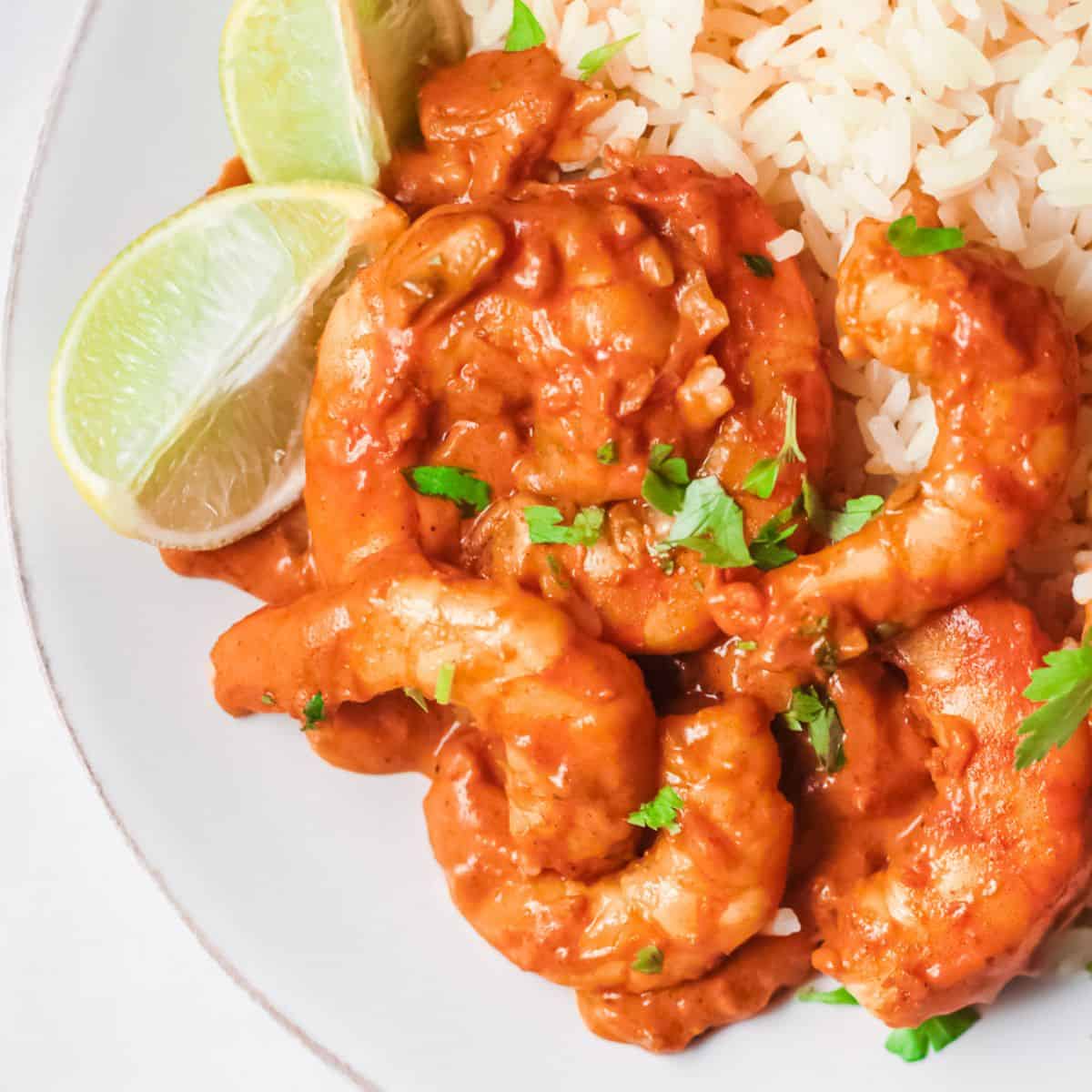 SeafoodEasy Shrimp CurryThis Easy Shrimp Curry Recipe is a hit with all my family. Plump, juicy shrimp are cooked with…
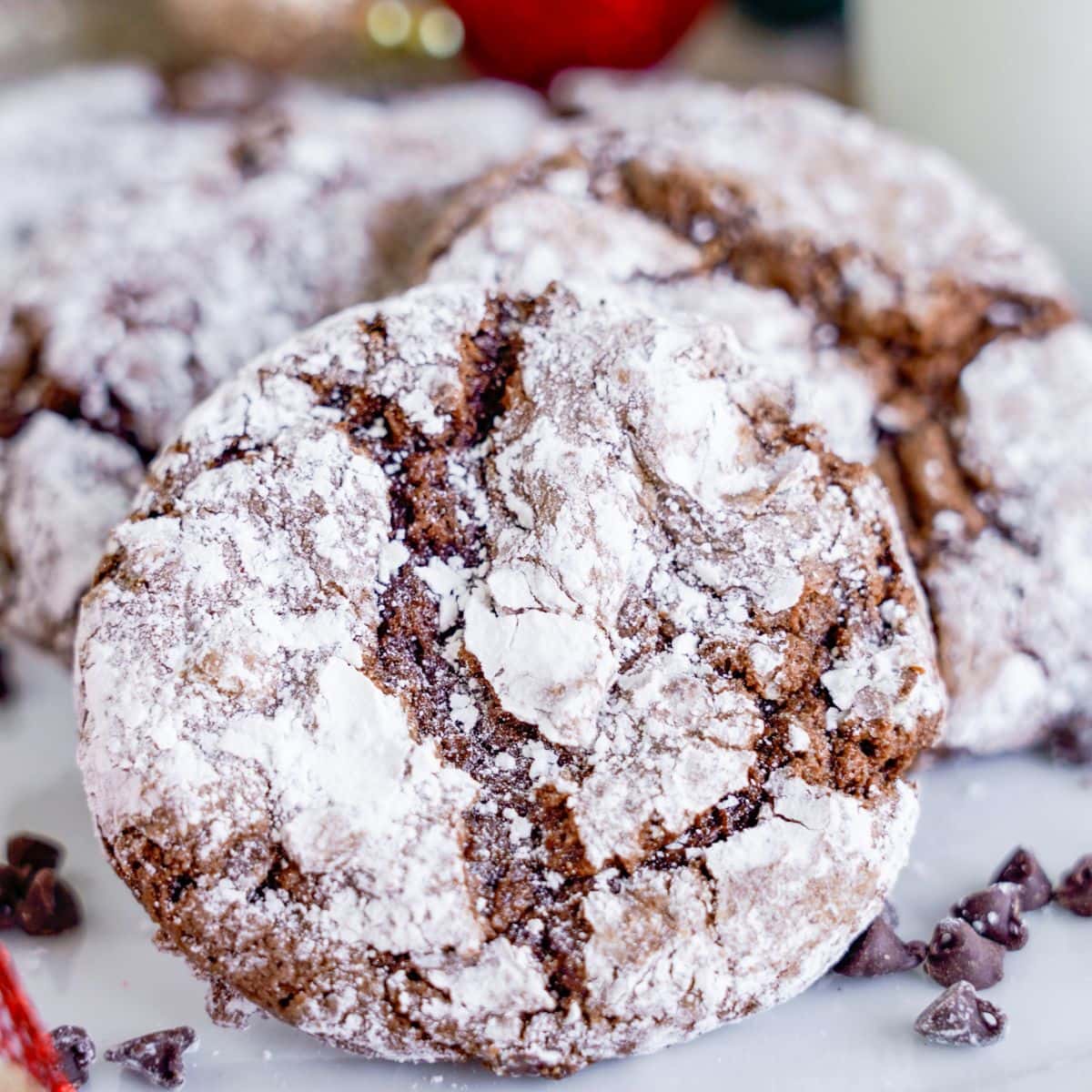 DessertsChocolate Crinkle Cookie RecipeThis Chocolate Crinkle Cookie Recipe is rich, fudge filled and perfect for your holiday cookie…
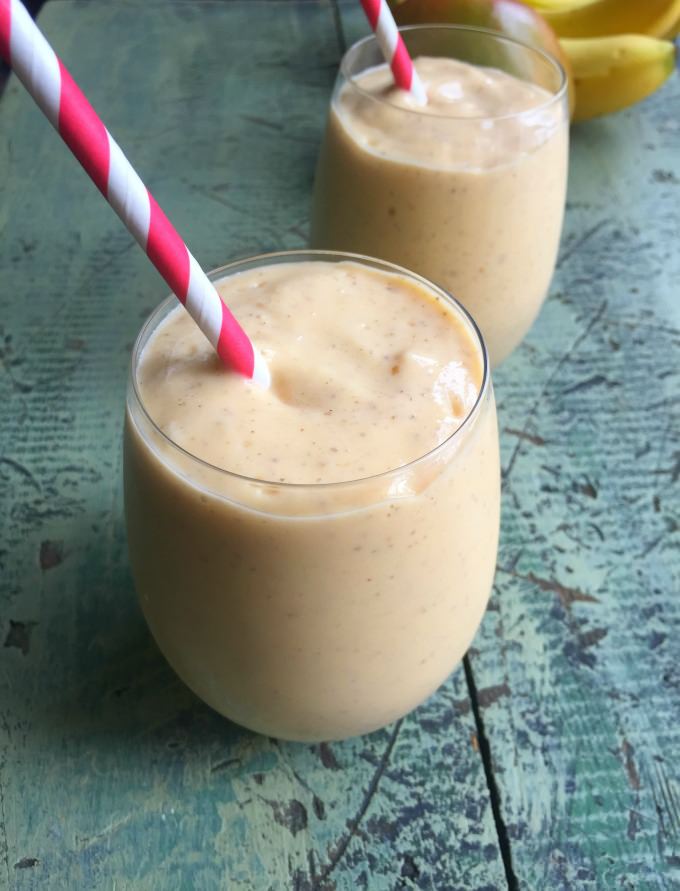 VegetarianTropical Yogurt SmoothieTropical Yogurt Smoothie is creamy, sweet and will help you fuel your summer adventures mixing…
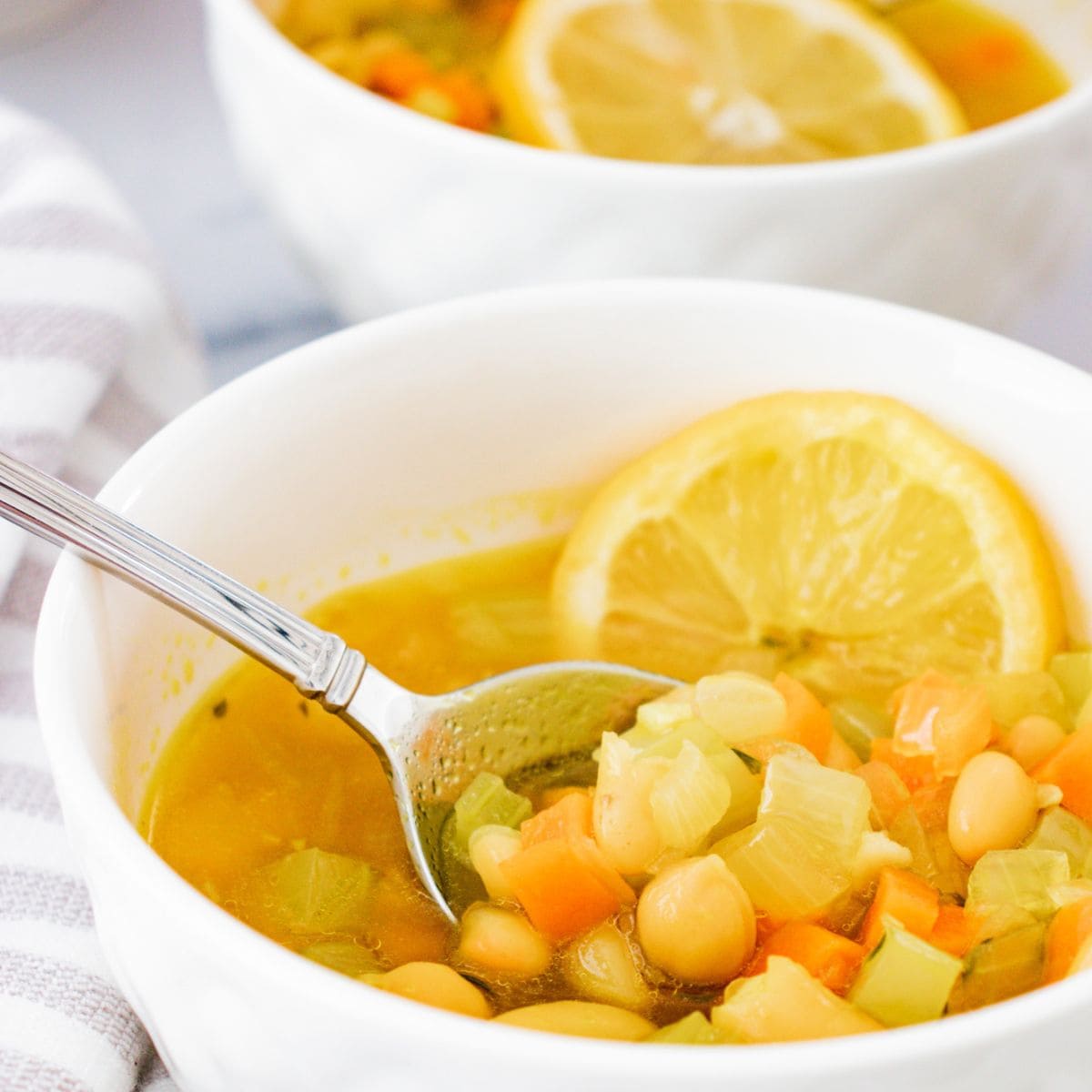 VegetarianEasy Vegetable Bean Soup RecipeThis Easy Vegetable Bean Soup Recipe is light but packed with protein to fill you up. It is the…
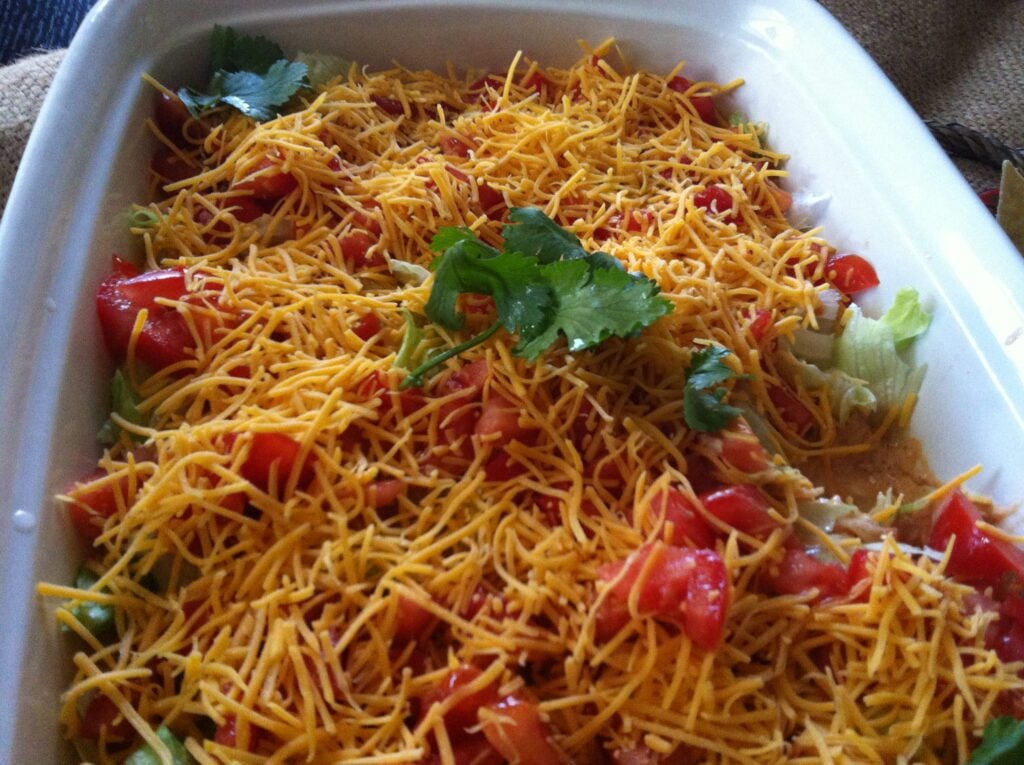 VegetarianSkinny Seven Layer DipThis Skinny Seven Layer Dip recipe is a healthier take on the traditional version that is every…